What home charging do I need for a 2027 Chevrolet Bolt in San Antonio, TX?
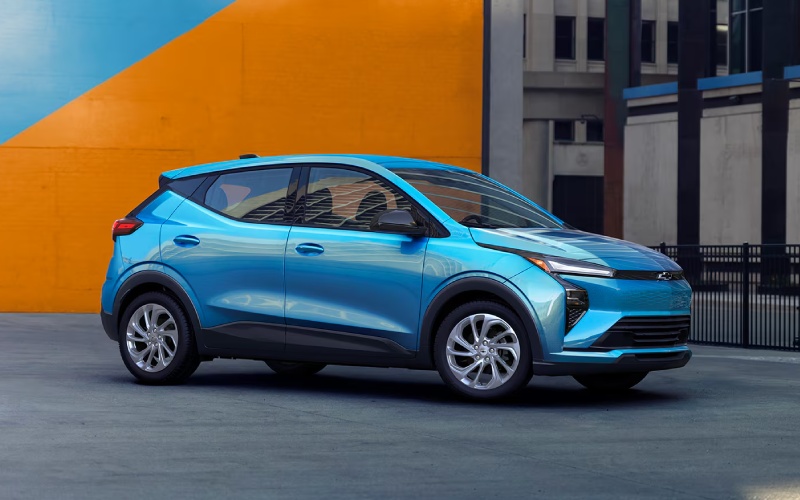
Ancira Auto Group – What home charging do I need for a 2027 Chevrolet Bolt in San Antonio, TX?
The 2027 Chevrolet Bolt makes daily driving around San Antonio simple with an EPA-estimated 262 miles of electric range, standard NACS charging, and DC Fast Charging that can take you from 10% to 80% in a GM-estimated 25 minutes at a compatible public charger. Still, most EV owners want charging to feel as effortless at home as it does on the road. At Ancira Auto Group, we help drivers choose a home setup that fits their commute, their home’s electrical capacity, and life around I-10, Loop 1604, and I-35. Here’s how to decide what you need at home so your Bolt is always ready.
Because Bolt features new battery technology and a standard NACS charge port, you have flexible options today and room to grow tomorrow. Whether you live in a central San Antonio neighborhood with a 120V garage outlet, or you’re planning a 240V Level 2 install in a new build in Alamo Ranch, the goal is the same — easy overnight charging that matches your driving routine. Below, we break down the practical choices, the time you can expect for a full charge, and how to think about charging in a city where a drive from Stone Oak to Downtown can be a daily reality.
The short path to the right home setup
Most Bolt owners land on one of three at-home solutions. The best fit depends on your daily miles, parking situation, and the capacity of your electrical panel. Use the checklist below as a fast way to get oriented before you call a licensed electrician or talk with our team.
- Your daily miles: Add up a typical weekday — school drop-off off De Zavala, work near the Medical Center, and an evening dinner date. If you’re usually under 40–50 miles, light top-offs may be all you need; if you’re regularly 60–120 miles, plan on Level 2.
- Your parking situation: A dedicated garage or driveway makes 240V easy; a shared carport or apartment spot may favor using an existing 120V outlet and supplementing with nearby public Level 2 or DC Fast options.
- Your electrical capacity: Many San Antonio homes can add a 240V circuit without a panel upgrade; older homes may need a load calculation or panel work. A licensed electrician can confirm fast.
- Your connector: Bolt’s standard NACS charge port means an at-home charger with a NACS connector is plug-and-charge simple. Using an older J1772 wall unit may require an adapter — confirm before you buy.
Level 1 at home — the 120V outlet you already have
Level 1 charging uses a standard household 120V outlet and adds a few miles of range per hour. For many San Antonio drivers who log short trips — think a round trip down Bandera Road, a grocery run, and back — this can be a practical, low-cost starting point. It’s also a reliable backup even if you plan to install Level 2 later.
What to know about Level 1: since it adds range slowly, it’s best for drivers with light daily mileage and a consistent place to plug in overnight. If you regularly drive across town — say, Alamo Ranch to Brooks City Base and back — Level 1 alone will feel limiting. If you rent or live in a condo where adding a 240V circuit is tough, Level 1 plus occasional public charging can still work.
Level 2 at home — true overnight charging on 240V
Level 2 charging uses a 240V circuit — the same type used for many electric dryers — and is the sweet spot for most EV owners. It adds dozens of miles per hour of charge depending on the charger’s amperage and your home’s electrical capacity. Practically speaking, that means you can arrive home with a partial battery, plug in after dinner, and wake up with a full Bolt ready to go.
Installation is straightforward. A licensed electrician runs a dedicated 240V circuit to a NACS-equipped wall charger or an appropriate outlet for a plug-in unit. From a low state of charge, a full 10% to 100% recharge typically completes overnight — roughly 6 to 10 hours, depending on charger amperage and household loads. Most owners simply top off a smaller amount each night, which often takes just a couple of hours.
Bolt’s new battery technology is designed for convenience: regularly charging to 100% capacity is recommended to achieve the fastest overall charging speeds. That’s a helpful difference if you’ve heard older guidance about stopping at 80% — with the 2027 Bolt, a full overnight charge is both normal and encouraged for quick, predictable top-offs.
If you don’t have a private driveway or garage
In-city living can still work beautifully with an EV. Many apartments and townhomes around The Pearl, Southtown, and near UTSA are adding Level 2 chargers. If your community doesn’t have one yet, ask your property manager — we can share basic charger specs to make approvals easier. Combine that with the 2027 Bolt’s compatibility at public DC Fast stations — including Tesla Superchargers via its standard NACS port — and you’ll have convenient ways to add meaningful range quickly. A 10% to 80% session can be a coffee stop rather than a long wait, which makes weekend drives to New Braunfels or a last-minute run to the airport easy.
Public options around San Antonio when you need speed
Even with a great home setup, fast public charging is a nice safety net. With standard NACS, the 2027 Bolt is compatible with many Tesla Superchargers. Add in other networks around the I-10 and I-35 corridors, and you’ll find more than enough places to get a quick boost on the way to Canyon Lake, La Cantera, or down to the Missions. Use in-vehicle navigation on the 11.3-inch diagonal touchscreen and Google built-in to locate compatible stations and route efficiently.
Remember that DC Fast Charging is about speed and convenience on the go. Your most cost-effective and battery-friendly routine is plugging in at home — then using DC Fast when your schedule needs a rapid turnaround.
Smart charging habits that fit San Antonio life
From the Medical Center to Stone Oak and beyond, traffic ebbs and flows — your charging routine should, too. Set a regular plug-in habit when you arrive home, even if you only need a small top-off. If your Level 2 charger supports scheduling, consider setting a nightly window that aligns with your household routine. Precondition the cabin while plugged in so more of the battery’s energy goes to driving when you leave. And because Bolt offers over 20 standard safety and driver assistance features — with available tech like IntelliBeam® and available Super Cruise® driver assistance technology — your daily drive feels just as confident as your charging plan.
If you want help sizing the right circuit, choosing a NACS wall charger, or coordinating an install, our team at Ancira Chevrolet on Bandera Road can walk you through options and connect you with local, licensed electricians. We’ll tailor recommendations to your home and your commute so your 2027 Bolt fits seamlessly into daily life.
Frequently Asked Questions:
Can I charge my 2027 Chevrolet Bolt from a regular household outlet?
Yes. Level 1 charging with a standard 120V outlet adds a few miles of range per hour. It works well for light daily mileage or as a reliable backup. If your routine regularly exceeds 40–50 miles per day, plan on adding a 240V Level 2 solution for faster, true overnight replenishing.
How long does a full charge take on Level 2 at home?
From a low state of charge, expect roughly 6 to 10 hours to reach 100% depending on your charger’s amperage and your home’s electrical capacity. Most owners don’t charge from empty; typical nightly top-offs often finish in 1 to 3 hours.
Should I stop daily charging at 80% to protect the battery?
With Bolt’s new battery technology, regularly charging to 100% capacity is recommended to achieve the fastest overall charging speeds. That makes full overnight charging a simple, battery-friendly habit for predictable range every morning.
Will my existing Tesla home charger work with the Bolt?
If your home unit has a NACS connector, it should plug directly into the 2027 Bolt’s standard NACS charge port. If you have an older J1772-only charger, you may need an appropriate adapter. Confirm the connector type before purchasing or using any equipment.
Do I need a permit or panel upgrade for Level 2?
Most installs are straightforward, but requirements vary by home. A licensed electrician will perform a load calculation, confirm space for a dedicated 240V circuit, and handle any needed permits. Many San Antonio homes can add Level 2 without a panel upgrade, but an expert evaluation is the safest path.
What if I rent and can’t install a charger?
Use Level 1 if you have access to a dedicated 120V outlet, and supplement with public Level 2 or DC Fast stations. With standard NACS compatibility — including access to many Tesla Superchargers — you’ll have fast, flexible options around town and on nearby corridors.
Bring the 2027 Bolt into your routine
The 2027 Chevrolet Bolt is designed to fit your life — compact and easy to park near The Pearl, roomy enough for weekend gear with underfloor storage, and comfortable with a redesigned interior featuring an 11-inch diagonal Driver Information Center and an 11.3-inch diagonal touchscreen. Choose LT for a versatile value or step up to RS for sporty touches like Gloss Black roof rails, 17-inch Black wheels, Evotex seating with Red stitching, and multi-color ambient lighting. No matter which you pick, home charging is straightforward — and we are here to make it even easier.
If you’re ready to map out a home charging plan that matches your commute and your home, visit us at Ancira Chevrolet on Bandera Road in San Antonio. We’ll help you explore the 2027 Bolt, review your charging options, and set you up for confident electric ownership — from your driveway to downtown and everywhere in between.